How to Measure AI Visibility in 2026 With LLM Consistency and Recommendation Share

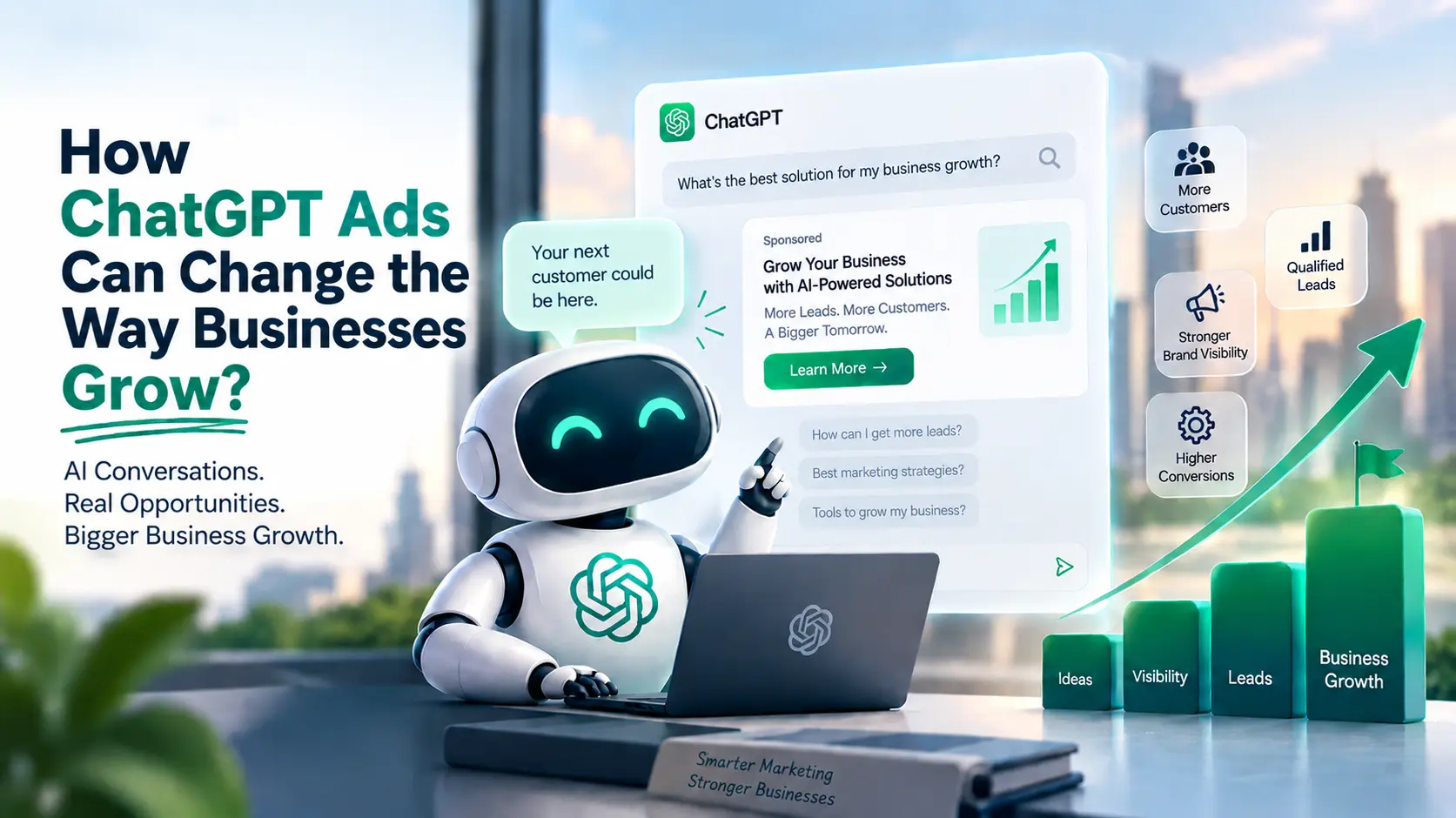
In 2026, AI tools are becoming a key source for brand discovery. Measuring AI visibility helps you track mentions, recommendation share, and citations across platforms. Understanding LLM consistency and user prompts ensures your brand stays visible, trusted, and competitive even when traditional SEO metrics alone aren’t enough.
Overview:
As AI-driven search grows, brand visibility is no longer defined by Google rankings alone. Monitoring AI visibility helps you see how frequently your brand appears and the context in which it’s recommended. Key aspects include:
- AI mention frequency and LLM consistency
- Recommendation share and citation rate
- Query coverage and sentiment of mentions
- Click influence and competitor benchmarking
Using these metrics helps businesses stay visible, authoritative, and competitive in AI search, ensuring content and authority signals are recognized across platforms like ChatGPT, Gemini, and Perplexity.
In 2026, your audiences are relying more on AI platforms compared to search engines to get answers, suggestions, and even brand recommendations. Whether it’s asking for the “best SaaS tools” or “top digital marketing agencies,” users are trusting AI-generated responses more than ever.
This transition brings out a new challenge. Your website can rank well on Google, but if AI tools don’t mention your brand, you remain invisible in a growing part of the search ecosystem. The key question now is, “How do you get recognized in the advanced algorithm of AI, when clicks aren’t the only indicator of success?”
Why Traditional SEO Metrics Are No Longer Enough?
For years, SEO success was measured through rankings, traffic, and backlinks. These metrics still matter, but they don’t deal with the evolved AI-powered search engine. While they show how your website performs in search engines, they don’t capture your brand’s presence in AI-driven discovery. Today, users increasingly rely on AI tools for direct answers, recommendations, and insights. This means:
- You rank #1 but still lose clicks
- Your content seems useful but it is never cited
- Your competitors are recommended more often by AI
To overcome these challenges, businesses are now inclining toward AI SEO services to improve their visibility across AI-driven platforms.
What is AI Visibility?
AI visibility, also known as brand discoverability in AI search, refers to how often and in what context your brand appears in answers generated by AI-powered search engines like ChatGPT, Google Gemini, Perplexity, and Claude.
Traditional SEO relies on clear signals like rankings and keywords, but AI search doesn’t work that way. AI generates responses dynamically, so there’s no set order of results. This means the rules of visibility have shifted and your brand’s presence is no longer tied to conventional search patterns.
Tracking AI visibility is about understanding trends, not exact figures. You measure it by testing prompts repeatedly and sampling the results, which gives an estimated sense of how often your brand is recommended. Knowing this distinction is essential before you start measuring effectively. This transition led to the rise of Generative Engine Optimization strategies, focused on improving how brands appear inside AI-generated responses.
7 Key Metrics to Measure AI Visibility
If you want your brand to thrive in the AI-driven era of 2026, then you need to start tracking these 7 metrics today onward:
1. AI Mention Frequency
AI mention frequency tells you how often your brand appears in AI-generated responses when users ask relevant questions. For example, if someone asks “best CRM tools for startups” and your brand appears in 6 out of 10 responses across platforms, your mention frequency is strong.
But here’s the nuance. This metric is not just about presence, it’s about recall strength. If your brand rarely appears, it means AI systems don’t yet recognize you as a reliable authority in that category. Tracking this regularly helps you understand whether your brand is becoming part of the AI conversation or being ignored entirely.
2. LLM Consistency Score
This metric measures how consistently your brand is recommended across different AI tools, queries, and variations of the same question. You might appear once in ChatGPT but not in other tools, or only for very specific queries. That’s not true visibility.
A strong LLM consistency score means:
- Your brand appears across multiple AI platforms
- It shows up for different query variations
- It is repeatedly recommended over time
Consistency leads to building trust. If AI models keep selecting your brand, it means your content, authority, and signals are strong enough to be recognized reliably.
3. Recommendation Share
Think of this as your market share inside AI recommendations. When AI suggests a list of tools, agencies, or platforms, your recommendation share reflects how often your brand is included compared to competitors.
For instance:
- If 10 responses include 5 brands each = 50 total mentions
- Your brand appears 10 times → your share is 20%
A higher recommendation share means you’re competing effectively in AI-driven discovery. A lower share indicates that competitors are dominating the narrative, even if your SEO rankings look fine.
4. AI Citation Rate
AI citation rate measures how often your content is used as a reference or source in AI-generated answers.
This goes beyond brand mentions. It reflects whether your content is:
- Informative
- Credible
- Structured in a way AI can extract
If your blog posts, guides, or insights are being cited, it means AI systems trust your content as a knowledge source, not just a brand to list. This metric is especially important for SaaS, B2B, and thought leadership-driven businesses.
5. Query Coverage
Query coverage tracks how many different relevant search queries trigger your brand in AI responses.
It answers an important question, Are you visible only for a few keywords, or across an entire topic?
For example, if you’re a digital marketing agency, your brand should appear in queries like:
- “best SEO agency”
- “how to improve website traffic”
- “digital marketing strategies”
Higher query coverage means stronger topical authority. It shows that AI recognizes your brand across multiple contexts, not just a single niche.
6. Sentiment & Context of Mentions
Being mentioned is not enough, you need to understand how your brand is being presented. AI plays a major role in making your brand as:
- A top recommendation
- An alternative option
- Or just in passing
This is where Artificial Intelligence Optimization becomes important, helping brands control how AI systems interpret and position them. It might also describe your brand positively, neutrally, or without context.
This metric helps you evaluate:
- Brand positioning in AI responses
- Perceived authority
- Competitive positioning
7. Click Influence Rate
Even though AI reduces clicks, it doesn’t eliminate them. Some users still want to explore deeper before making decisions. Click influence rate measures how often AI exposure leads to actual user action, such as:
- Visiting your website
- Searching your brand name
- Converting into a lead
This is where AI visibility connects directly to business outcomes. If your brand is frequently mentioned but not driving any traffic or conversions, it means your positioning or messaging needs improvement.
Traditional SEO vs AI Visibility Metrics
The below table showcases a detailed AEO vs SEO comparison clearly shows how discovery patterns have shifted from ranking-based visibility to recommendation-based visibility inside AI systems:
|
Factor |
Traditional SEO |
AI Visibility (GEO) |
|
Goal |
Focuses on ranking higher on search engine results pages |
Focuses on getting your brand recommended in AI-generated answers |
|
How it Works |
Relies on keywords, backlinks, and technical SEO practices |
Driven by authority signals like brand mentions, reviews, and structured data |
|
User Behavior |
Users explore multiple links before making a decision |
Users often rely on a single, AI-curated answer |
|
Content Format |
Primarily optimized web pages and blog content |
Uses a mix of formats like text, videos, reviews, and community insights |
|
Measurement |
Tracked through rankings, traffic, and click-through rates |
Measured by AI mentions, citation frequency, and recommendation share |
|
Competition |
Competes for visibility within the top 10 search results |
Competes to be among the top 3–5 AI recommendations |
Tools That Help Measure AI Visibility
AI visibility tools fall into different categories depending on what exactly they track, analyze, or improve. Using a mix of these tools gives you a more complete picture of how your brand appears across AI platforms.
- Dedicated AI Visibility & GEO Platforms
These tools are built specifically to track how your brand appears in AI-generated answers across platforms like ChatGPT, Gemini, and Perplexity.
- Search Party – Tracks real-time brand mentions, sentiment, and sources across multiple AI assistants.
- Evertune AI – Uses an AI Brand Index to measure how often and in what context your brand is referenced.
- VectorGap – Focuses on AI perception with metrics like visibility, credibility, and recommendation strength.
Best for: End-to-end AI visibility tracking and strategy.
- SEO Platforms with AI Visibility Features
Traditional SEO tools have evolved to include AI visibility tracking, combining search rankings with LLM mentions. Modern platforms now function as AI SEO tools for businesses, helping brands understand both traditional and AI-driven performance together.
- Ahrefs (Brand Radar) – Tracks brand mentions in AI summaries alongside backlinks and SEO data.
- SEMrush AI Toolkit – Measures AI visibility scores and analyzes performance across prompts.
- Surfer SEO (AI Tracker) – Shows how your content appears in AI-generated answers and suggests optimizations.
Best for: Teams already using SEO tools who want to extend into AI visibility.
- Prompt-Level & Conversation Tracking Tools
These tools focus on how specific prompts trigger brand mentions and how AI responds in different scenarios.
- Peec AI – Maps prompts to brand mentions and tracks visibility across conversations.
- Otterly.AI – Monitors daily AI responses and records how brands are represented.
Best for: Understanding which questions surface your brand.
- Competitor & Share-of-Voice Intelligence Tools
These tools benchmark your brand against competitors in AI-generated responses.
- RankScope – Tracks share of voice across multiple AI engines and compares competitors.
- Profound – Provides deep analysis of how often your brand vs competitors appears in AI outputs.
Best for: Identifying gaps and competitive positioning in AI search.
- Multi-Model Monitoring & Analytics Tools
These platforms track performance across multiple AI systems simultaneously and provide broader analytics.
- Optinex AI – Monitors multiple AI models with sentiment analysis and citation tracking.
- Visiblie – Aggregates brand mentions, citation rates, and share of voice across LLMs.
Best for: Cross-platform visibility measurement and reporting.
- Content Optimization & Execution Tools (GEO-Focused)
These tools not only track visibility but also help improve it through actionable recommendations.
- Writesonic GEO Tools – Combines content creation with AI visibility tracking.
- AirOps – Helps generate and optimize content aligned with AI search requirements.
Best for: Turning insights into content improvements.
AI Visibility Measurement Framework
To understand how your brand performs in AI-driven search, you need a structured way to measure and track its visibility across different platforms and responses.
- Prompt-Based Testing
Start by identifying the questions your target audience is likely to ask AI tools. Run these prompts multiple times across platforms to check if and how your brand appears in responses.
- Presence & Frequency Tracking
Measure how often your brand is mentioned across different prompts and sessions. Consistent appearances indicate strong visibility, while irregular mentions highlight gaps.
- Position & Sentiment Analysis
It’s not just about being mentioned, but how. Brands listed first or described positively carry more weight than those mentioned later or neutrally.
- Source Attribution Analysis
Understand where AI is pulling information from, such as reviews, blogs, forums, or structured data. This helps you focus on the sources that influence your visibility the most.
- Competitor Benchmarking
Track which competitors are being recommended instead of you. Analyzing their presence can reveal what signals or content you might be missing.
- Sampling Over Time
AI responses can vary, so one-time checks aren’t enough. Repeating tests over time helps you identify trends, improvements, or declines in visibility.
- Continuous Feedback Loop
Use insights from your tracking to refine your strategy. Whether it’s improving content, increasing reviews, or strengthening authority, ongoing adjustments drive better results over time.
How to Track Your Brand Across AI Platforms
Tracking your brand in AI search is different from traditional SEO. Start by identifying the key prompts your audience might ask AI assistants, then test them across platforms like ChatGPT, Perplexity, and Gemini. Record which brands appear, how often, and in what context. Monitor not just mentions, but placement and tone, being recommended first matters more than just appearing. Regular tracking lets you spot gaps, catch misrepresentations, and measure the impact of your visibility efforts over time.
The Future of AI Search Measurement
AI visibility will continue evolving as LLMs become more sophisticated. Future measurement will likely include predictive analytics, real-time recommendation tracking, and cross-platform influence scoring. Strong visibility strategies will depend heavily on Google E-E-A-T principles, ensuring content credibility, authority, and trustworthiness across AI ecosystems.
The Bottom Line
The way users discover brands is changing rapidly. Rankings alone are no longer enough. In 2026, visibility means being present where decisions are made, and increasingly, those decisions start with AI.
If your brand isn’t being recommended, you’re missing out on a growing share of attention and opportunities. The sooner you start measuring and optimizing for AI visibility, the stronger your position will be in the future of search.
Not getting leads from your website? Get a free website conversion audit from Saletify.
Work with a trusted SEO Company in Pune and improve your lead generation with a results-driven strategy today.
FAQs:
- What strategies improve brand visibility in AI search engines?
Focus on building real authority through expert content, strong reviews, and consistent mentions across platforms. Getting featured in “best of” lists, using structured data, and allowing AI crawlers also helps. What matters most is steady effort over time, not one-off tactics. - Is tracking brand mentions in AI search important?
Yes, it is critical. AI tools can misrepresent your brand or highlight competitors without you realizing it. Tracking mentions helps you spot gaps and understand what’s actually influencing your visibility. - What is the difference between SEO and AI visibility?
SEO is about ranking on search engine result pages. AI visibility is about being recommended in AI-generated answers. While SEO builds the foundation, AI visibility depends more on authority, reviews, and broader brand signals. - Can small businesses compete in AI visibility?
Definitely. AI systems prioritize relevance and credibility over size. A smaller brand with strong content, good reviews, and active engagement can outperform bigger players. - How long does it take to improve AI visibility?
You can start seeing early results in a couple of months with consistent effort. The key is momentum, regularly publishing content and gathering fresh reviews. Faster activity usually leads to quicker gains. - Do customer reviews really affect what AI recommends?
Yes, reviews play a big role. AI tools often rely on them to judge trust and quality. Well-structured, visible reviews make it easier for AI to pick up and recommend your brand. - Should I block or allow AI crawlers on my website?
You should allow them. If AI bots can’t access your site, they can’t include your brand in their answers. Keeping your site open ensures better visibility in AI results. - How do I improve brand authority in AI search?
Create original, data-backed content and contribute to credible platforms. Build depth in your niche and earn mentions from trusted sources. Authority grows when your expertise is consistently recognized across the web. - What is brand discoverability in AI search?
It’s how easily AI systems can find and understand your brand. This depends on things like structured data, content quality, and your presence across platforms. Better discoverability increases your chances of being recommended. - Is traditional SEO still important?
Yes, it still matters. Strong SEO helps build the authority signals AI systems rely on. Think of AI visibility as an extension of SEO, not a replacement.